Surgical Procedures
Advanced Spinal Surgery Techniques
Comprehensive information about surgical procedures, including detailed explanations of techniques, expected outcomes, and recovery processes to help you make informed decisions.
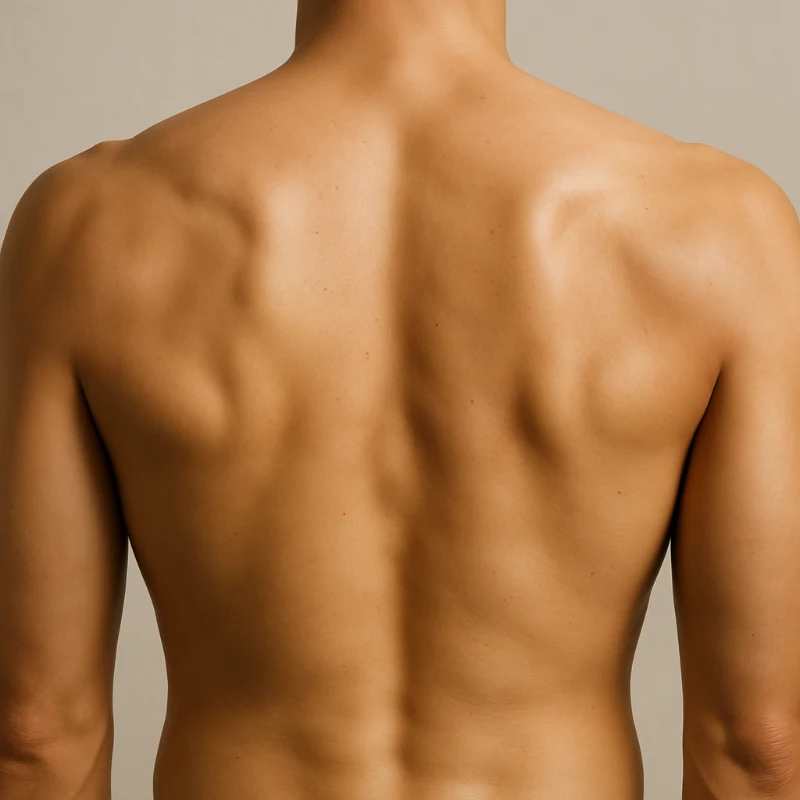
Spinal Stenosis Decompression
When Surgery is Urgent
Immediate spinal surgery is only necessary in cases of bowel or bladder disturbance or progressive and rapid neurological weakness to the lower limbs.
Surgical Objective
The objective of surgery is to remove the pressure on the nerve roots to reduce pain and increase walking distance by making more room in the spinal canal.
Expected Outcomes
Realistically, 70% of patients have a good outcome following surgery, while around 25% may retain some symptoms in their lower limbs.
Understanding the Procedure
Unfortunately, most conservative treatment including physiotherapy, medication or injections are unlikely to be of long-term benefit and the only definitive way of improving symptoms is to make more room for the spinal nerve roots as they descend through the spinal canal.
The objective of surgery is to remove the pressure on the nerve roots to reduce pain and increase walking distance. Realistically, 70% of patients have a good outcome following surgery but around 25% of patients remain to have some weakness/discomfort/symptoms in their lower limbs.
There are a number of techniques highlighted with this particular surgery and these are outlined in specialised documentation that will be provided during your consultation.
Key Benefits
- • Reduces nerve pressure
- • Improves walking distance
- • Decreases leg pain
- • 70% good outcomes
- • Definitive treatment
Risks and Complications
Please note, this list is not exhaustive but these are the risks often counselled to patients:
Surgical Risks
- Infection (around 1% - may require return to theatre)
- Bleeding leading to cauda equina syndrome
- Nerve root injury (1/350 risk of permanent weakness)
- Injury to bowel and bladder nerve roots
- Dural tear with potential headaches/dizziness
- Recurrence of stenoses requiring re-operation (around 8-10% risk)
Additional Considerations
- Deep vein thrombosis/pulmonary embolism (3-5% risk)
- Post-operative back pain/instability (10% lifetime risk)
- Nerve root scarring causing long-term pain
- 5% chance patient may be worse after surgery
- General anaesthesia risks
- Post-operative chest infection
Thromboembolism Prevention
As part of regional and local guidelines, spinal surgery is classified as "high risk" for venous thromboembolism. We use thrombo-embolic stockings, peri-operative Flowtron devices, post-operative foot pumps, and early mobilisation rather than low molecular weight Heparin to avoid the risk of post-operative epidural haematoma.
What to Expect After Surgery

Immediate Recovery
After the operation, you will be taken to your bed from the Recovery Room where you will require regular monitoring regarding your blood pressure, pulse and function to your feet.
As soon as safely able, you will be given a drink and you will probably be able to eat the same day/evening after your surgery. Occasionally, a small drainage tube is placed through the incision and this is normally removed once drainage has stopped, normally the following day.
Physiotherapy & Mobility
You will be seen by the Physiotherapists who will mobilise you from bed to chair, to standing and include toileting. Walking will be practiced and mobilisation up and down stairs will be facilitated if required.
Overall, once recovery has been obtained and pain levels have been controlled, discharge is normally considered for the day after surgery.
Pain Management & Recovery
It is not unusual to experience some level of discomfort in your lower back and/or the leg after surgery. Your pain will be controlled with regular analgesia and as you become more mobile the nerves become less irritated and your leg pain should settle. This may take up to 6 – 8 weeks.
Wound Care
Postoperatively, skin wounds are closed using absorbable sutures underlying the skin which do not require removal. We will supply you with a letter to attend your General Practice around 1 week following surgery so that your wound can be checked. A dressing would normally remain applied for around 2 weeks.
A waterproof dressing will be applied after surgery and you may have a shower after surgery. Submersing your wound in water such as bathing should be avoided for around 2 weeks.
Recovery Guidelines
Warning Signs
Seek immediate medical advice if you develop:
- • Redness around the wound
- • Wound leakage
- • High temperature symptoms
Driving Guidelines
- • Not safe for 3-4 weeks initially
- • Resume when you feel safe to control a vehicle in an emergency situation
- • Start with short distances (20-30 mins)
- • Gradual increase over 4-6 weeks
- • Must be able to control vehicle in emergency
Return to Work
- • Office work: 4-6 weeks
- • Manual labour: 8-10 weeks
- • Heavy lifting: 10-12 weeks
- • Home computer work possible earlier
- • May need standing work position
Follow-up Schedule
You will receive advice regarding seeing your General Practitioner for assessment of your wound postoperatively and additionally, you may receive a follow-up appointment at around 3 – 4 weeks following surgery with a final check at 6 weeks.
A Fitness to Work or Sick Certificate can be provided during your stay if required for your employer.
Surgery for Prolapsed Intervertabral Disc - "Slipped Disc"
Microdiscectomy Procedure
The operation performed for a disc prolapse is called "Discectomy". This procedure is performed through a small 3-4cm incision using microscopic techniques.
Surgical Technique
A microscope is routinely utilised. The nerve root is gently retracted to allow safe access and removal of the disc protrusion using specialised instruments.
Treatment Options
There are different techniques available for disc protrusion surgery. The choice will be decided by the Surgeon based on personal preference and circumstances.
Understanding the Procedure
This procedure is performed through an incision in the mid-line of the lower back utilising a small wound of around 3 – 4 centimetres. A microscope is routinely utilised by Mr von Arx.
The muscles are moved away from the mid-line bony structures and a ligament is incised overlying a "window" called the ligamentum flavum. A small portion of bony rim is removed from the lamina and inside of the facet joint to allow safe access to the nerve root.
The nerve root is gently retracted to the side so that the disc is utilised and then gently removed using specialised instruments. Normally, the disc protrusion has escaped via a small trapdoor at the back of the disc, which is utilised and entered by the Surgeon, making sure that no further loose fragments lie within the disc space.
Key Benefits
- • Minimally invasive approach
- • Microscopic precision
- • Small 3-4cm incision
- • Complete fragment removal
- • Nerve root protection
Risks and Complications
Please note, this list is not exhaustive but these are the risks often counselled to patients:
Surgical Risks
- Infection (around 1% - may require return to theatre)
- Bleeding leading to cauda equina syndrome
- Nerve root injury (1/350 risk of permanent weakness)
- Deep vein thrombosis/pulmonary embolism (3-5% risk)
- Dural tear with potential headaches
- Recurrence of disc prolapse requiring re-operation (around 8% risk)
Additional Considerations
- Post-operative back pain/instability (10% lifetime risk)
- Nerve root scarring causing long-term pain
- 10% chance that the patient may be worse after surgery
- General anaesthesia risks
- Post-operative chest infection
- Wound healing complications
Important Considerations
All techniques for disc protrusion surgery have similar long-term outcomes. The choice of operation will be decided by the Surgeon and discussed with the patient based on personal preference, symptom presentation and individual circumstances.
What to Expect After Surgery
Immediate Recovery
After the operation, you will be taken to your bed from the Recovery Room where you will require regular monitoring regarding your blood pressure, pulse and function to your feet.
It is not unusual to experience some level of discomfort in your lower back and/or the leg after surgery. Your pain will be controlled with regular analgesia and as you become more mobile the nerves become less irritated.
Recovery Timeline
Your leg pain should settle over time, which may take up to 6 – 8 weeks. Overall, once recovery has been obtained and pain levels have been controlled, discharge is normally considered for the day after surgery.
You will be monitored carefully and mobilised safely by the physiotherapy team before discharge.
Pain Management & Recovery
It is not unusual to experience some level of discomfort in your lower back and/or the leg after surgery. Your pain will be controlled with regular analgesia and as you become more mobile the nerves become less irritated and your leg pain should settle. This may take up to 6 – 8 weeks.
Wound Care
A waterproof dressing will be applied after surgery and you may have a shower after surgery. Submersing your wound in water such as bathing should be avoided for around 2 weeks. The dressing would normally remain applied for around 2 weeks.
We will supply you with a letter to attend your General Practice around 1 week following surgery so that your wound can be checked.
Recovery Guidelines
Warning Signs
Seek immediate medical advice if you develop:
- • Redness around wound
- • Wound leakage
- • High temperature
Post-Surgery Care
- • Waterproof dressing applied
- • Shower after surgery allowed
- • Avoid bathing for 2 weeks
- • Wound check at 1 week
- • Dressing remains for 2 weeks
Recovery Timeline
- • Driving: 3-4 weeks
- • Office work: 4-6 weeks
- • Manual work: 8-10 weeks
- • Heavy lifting: 10-12 weeks
- • Follow-up: 3-6 weeks
Follow-up Schedule
You will receive advice regarding seeing your General Practitioner for assessment of your wound postoperatively and additionally, you may receive a follow-up appointment at around 3 – 6 weeks following surgery.
A Fitness to Work or Sick Certificate can be provided during your stay if required for your employer.
Other Surgical Procedures
Need More Information?
These documents provide detailed information about each procedure. For personalised advice and to discuss which option may be most suitable for your condition, please book a consultation.
Book ConsultationDiscuss Your Surgical Options
Comprehensive Consultation
Schedule a detailed consultation with Mr von Arx to discuss your specific condition, surgical options, and expected outcomes based on your individual circumstances.
Expert Surgical Care
Benefit from Mr von Arx's extensive experience in spinal surgery with comprehensive pre-operative counselling and post-operative support.